
Stabilised sand is sand blended with cement for a firm, stable bed. Here is what 8:1 and 14:1 mean, when to use each, and what stabilised sand is used for.
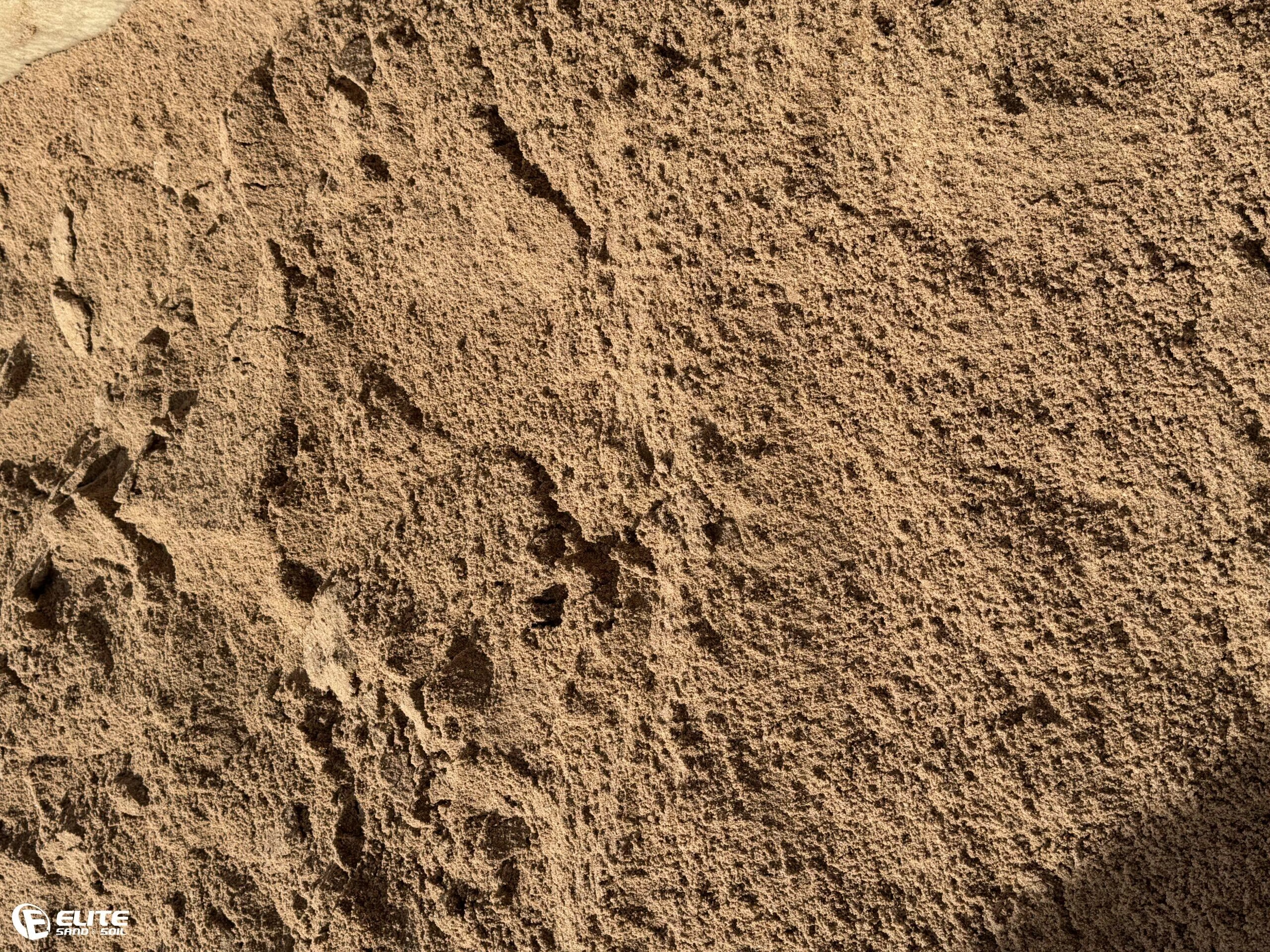
Stabilised sand is plain sand blended with a measured amount of cement. That cement binds the grains into a firm, semi-bound layer that holds its shape and resists wash-out, while staying workable as you place it. It is the go-to bedding and backfill material for jobs where loose sand would move, rut or wash away over time.
Stabilised sand is described as a sand-to-cement ratio. An 8:1 mix is 8 parts sand to 1 part cement, which works out to roughly 12% cement – a strong, firm blend. A 14:1 mix is 14 parts sand to 1 part cement, about 7% cement – leaner and more workable. Ratios run from around 20:1 (about 5% cement, very lean) up to 8:1 (about 12%, the strongest we commonly blend). The more cement in the mix, the firmer it sets and the shorter your working time.
Rule of thumb: more load means more cement. If it is carrying vehicles or structure, people lean to 8:1 or richer; if it is bedding pipes or filling a trench, 14:1 or leaner is the usual call. On engineered, civil or council-specified jobs the ratio is set by the specification – always work to your engineer’s or council’s requirement rather than a rule of thumb. Tell us the job and we will match it.
Plain sand stays loose, so you can fine-tune pavers as you lay them – but over time it can wash out, migrate and rut. Stabilised sand locks in place: the cement binds the grains so the bed stays put and keeps supporting the load. The trade-off is time. Once it starts to go off, generally within a few hours, you cannot rework it, so place and finish while it is fresh.
We have stabilised sand blended at the pugmill so the cement is evenly through the mix, then delivered direct to your job across Penrith and Western Sydney. For small quantities we can mix it in the yard. Because the right ratio depends on the job, it is priced per order.
Not sure which ratio suits your job? That is what we are here for. Call 1300 935 483 with your job, quantity and suburb and we will blend and deliver the right mix. See stabilised sand in our store, or pick up from the yard at 4 Harford Street, Jamisontown.
Sand blended with a measured amount of cement to form a firm, semi-bound layer that resists wash-out and movement. It is used for bedding, backfilling and levelling where loose sand would shift.
They are sand-to-cement ratios. 8:1 is 8 parts sand to 1 part cement (about 12% cement, stronger); 14:1 is 14 parts sand to 1 part cement (about 7% cement, leaner and more workable).
More load means more cement. 8:1 suits driveways, vehicle paving and load-bearing bedding; 14:1 suits pipe bedding, trench backfill and general fill. For engineered or council work, follow your specification.
Generally a few hours once mixed. Place and finish it while fresh, as it cannot be reworked once it starts to set.
For flexible paving you can, but plain sand can wash out and shift over time. Stabilised sand stays put, which is why it is preferred under load, around pipes and anywhere that must not move.
ABN 74 165 435 745